Spring Woods & Meadow Amble
by Amy Martin, gardens and greenbelt coordinator
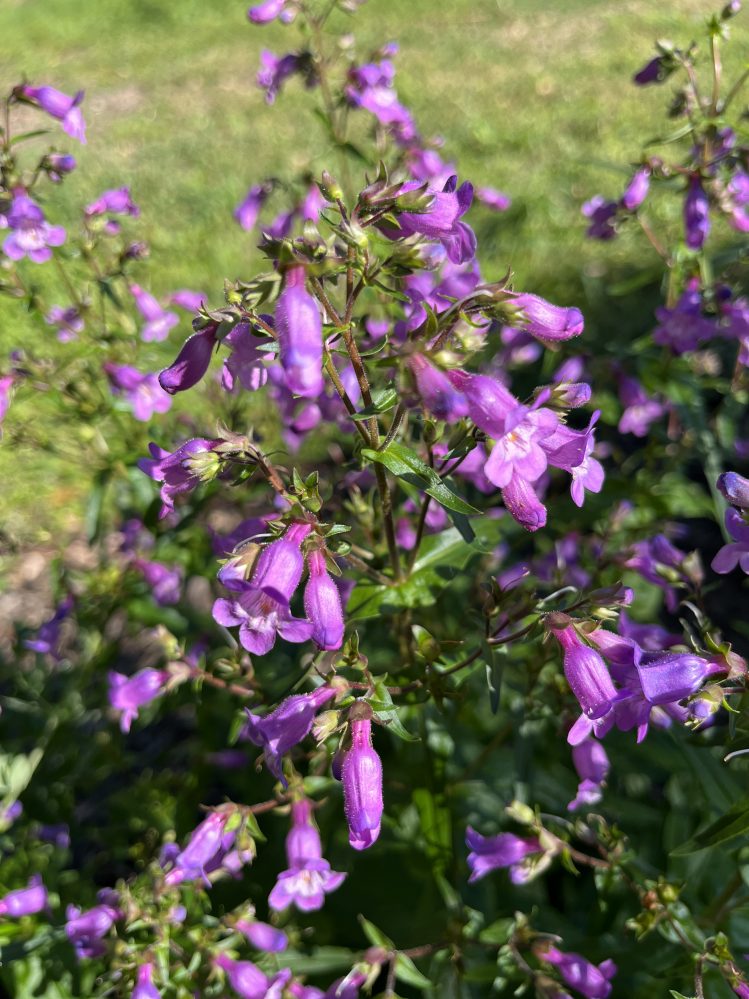
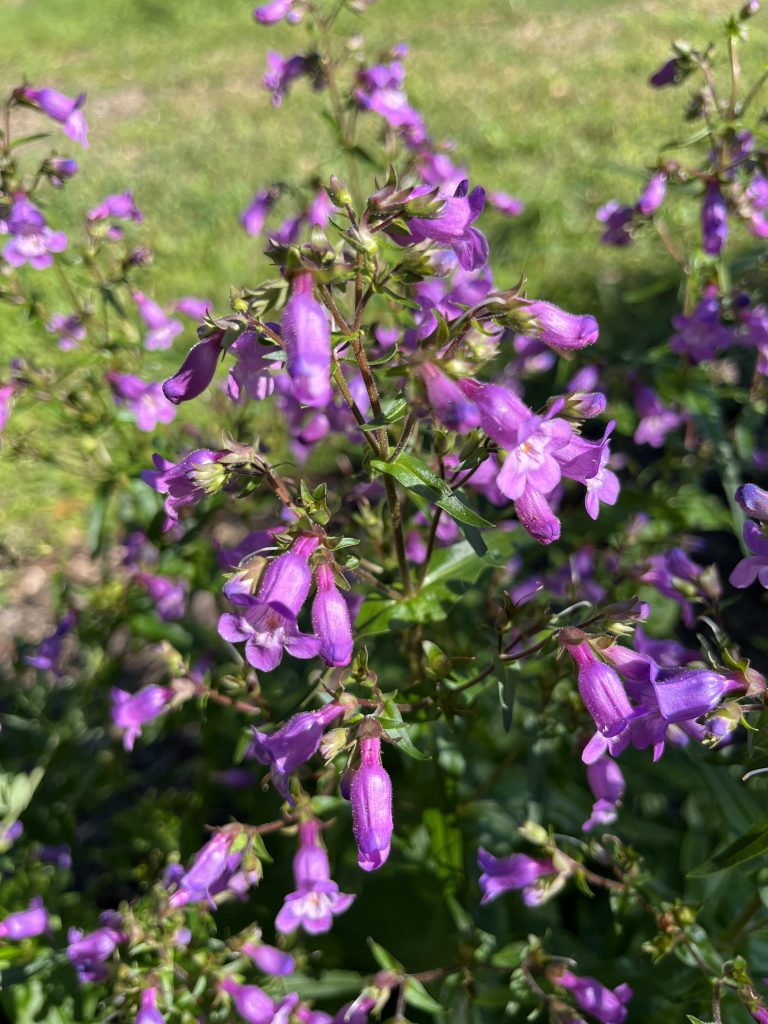
Have you seen the penstemon cobaea in the Creekmere Meadow? So showy! The patches have more than doubled thanks to the Greenbelt Guild collecting seed that was distributed in the fall.
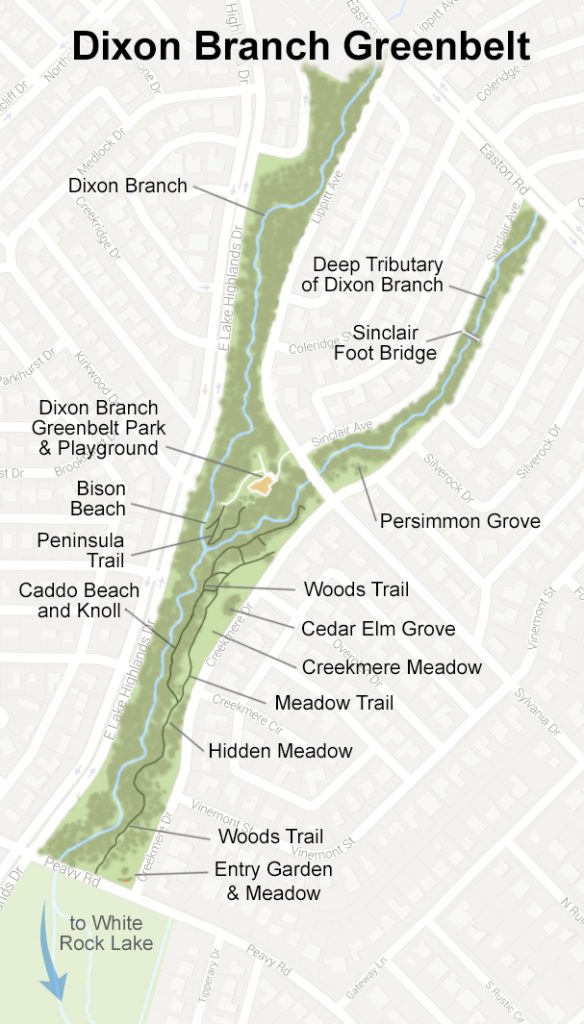
The forest along the Woods Trail is looking fine. I started at the entrance by The Knoll (see map at end). Last fall, the Guild planted donated wood ferns, pigeonberry, heartleaf skullcap, and inland sea oats. Most of them survived the dry winter!
* You may notice some dead and dying plants along the way. I went on a poison ivy eradication spree this week.
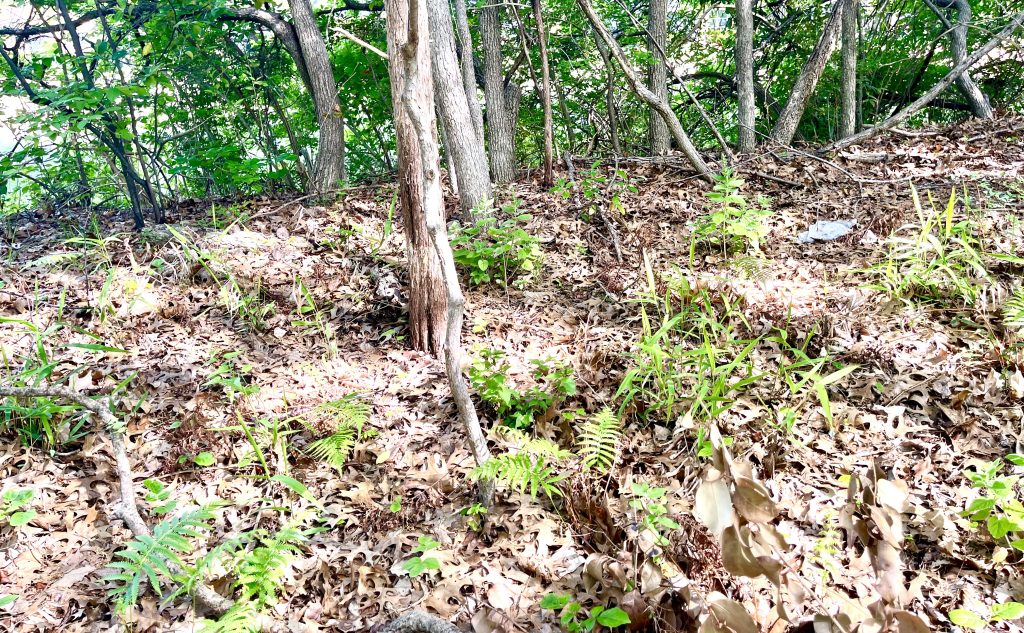
Pigeonberry at the base of a tree. It will make spires of white blossoms in the late summer.
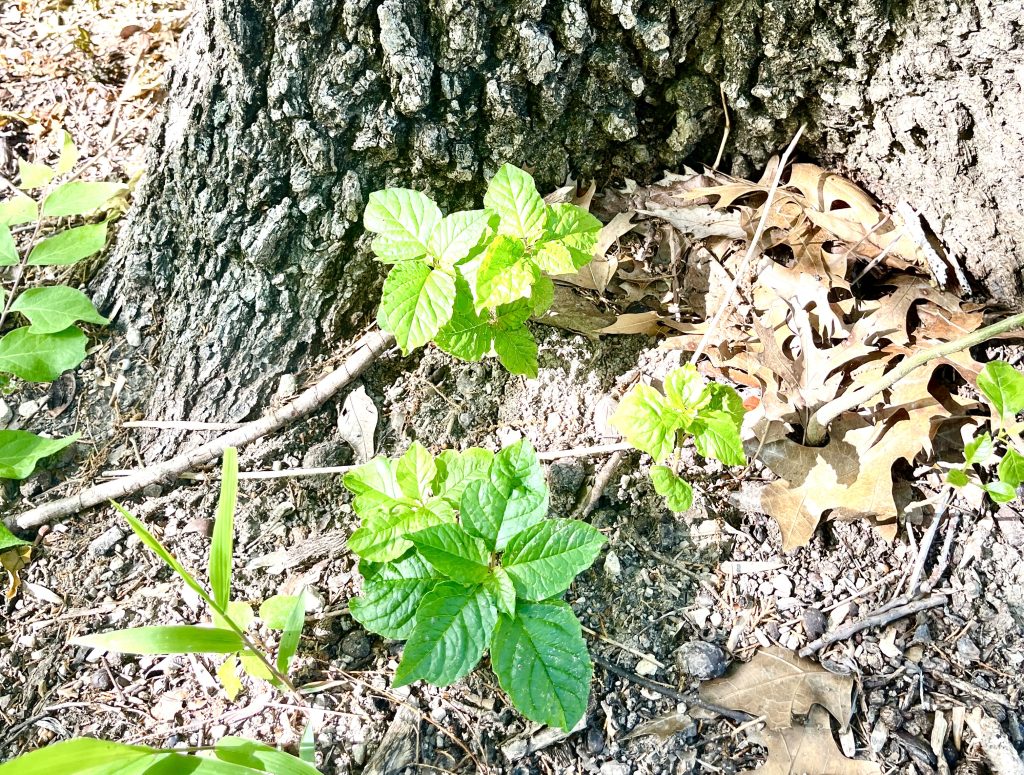
Lots of very young Eve’s necklace understory trees coming up from hard black berries scattered a few years ago. After privet and other invasive shrubs were removed, the Eve’s are finally getting enough rain and light to emerge.
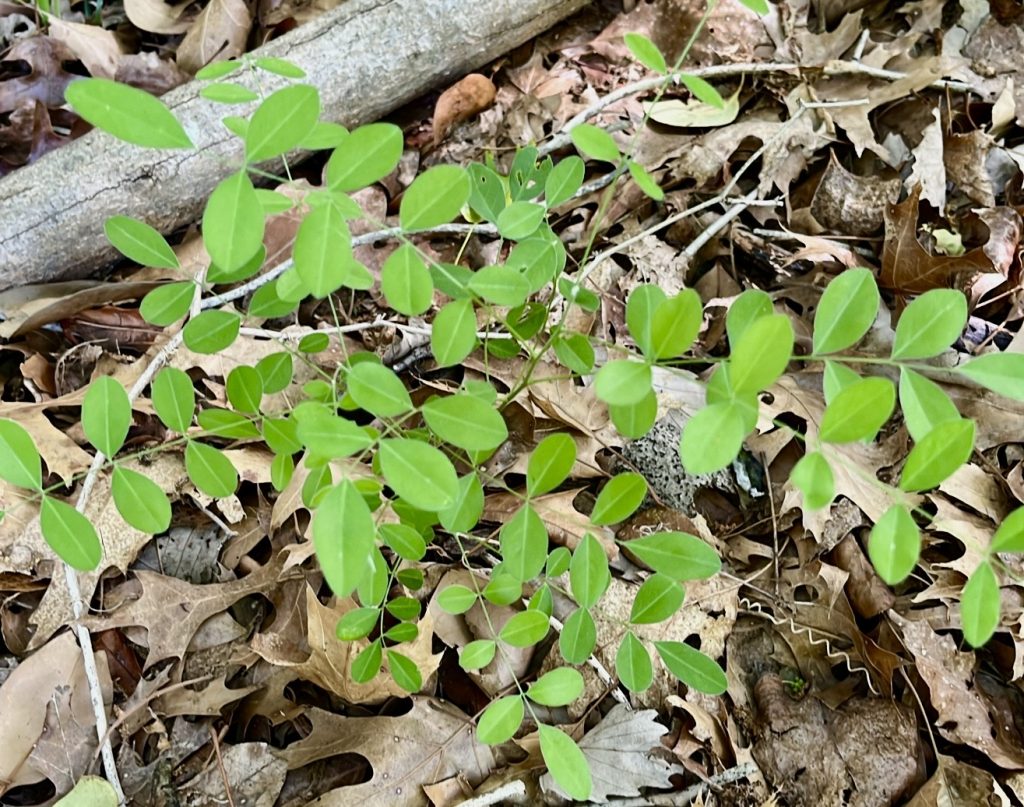
Same with chinkapin, a not-so-common oak. This one doubled its size in a year.
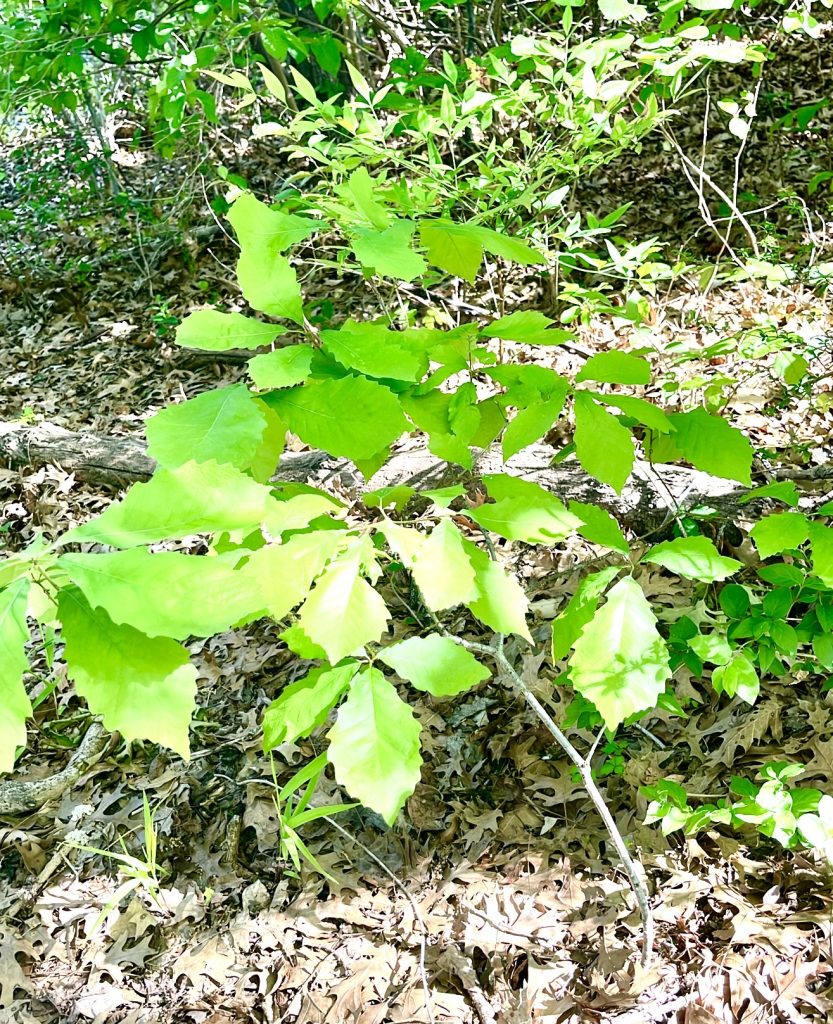
In this stretch of the Woods Trail, there are over 25 very uncommon rusty blackhaw viburnum. Dozens! More places have but a few. This is truly a special thing. We need to continue removing Chinese privet and bush honeysuckle so they can flourish more.
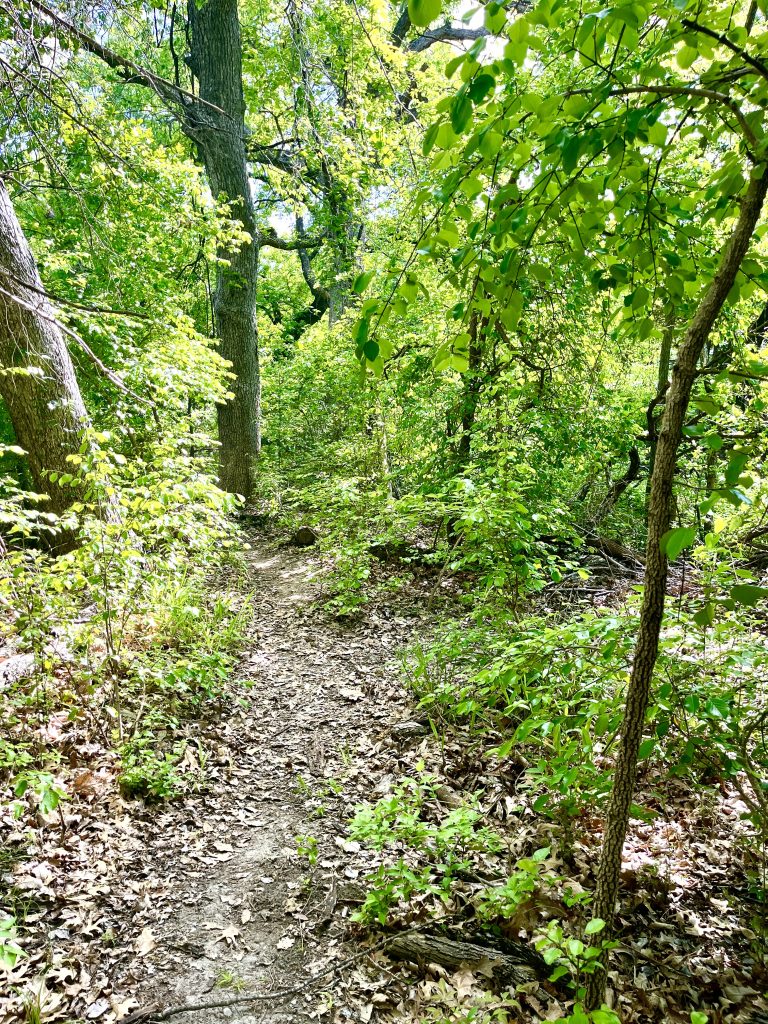
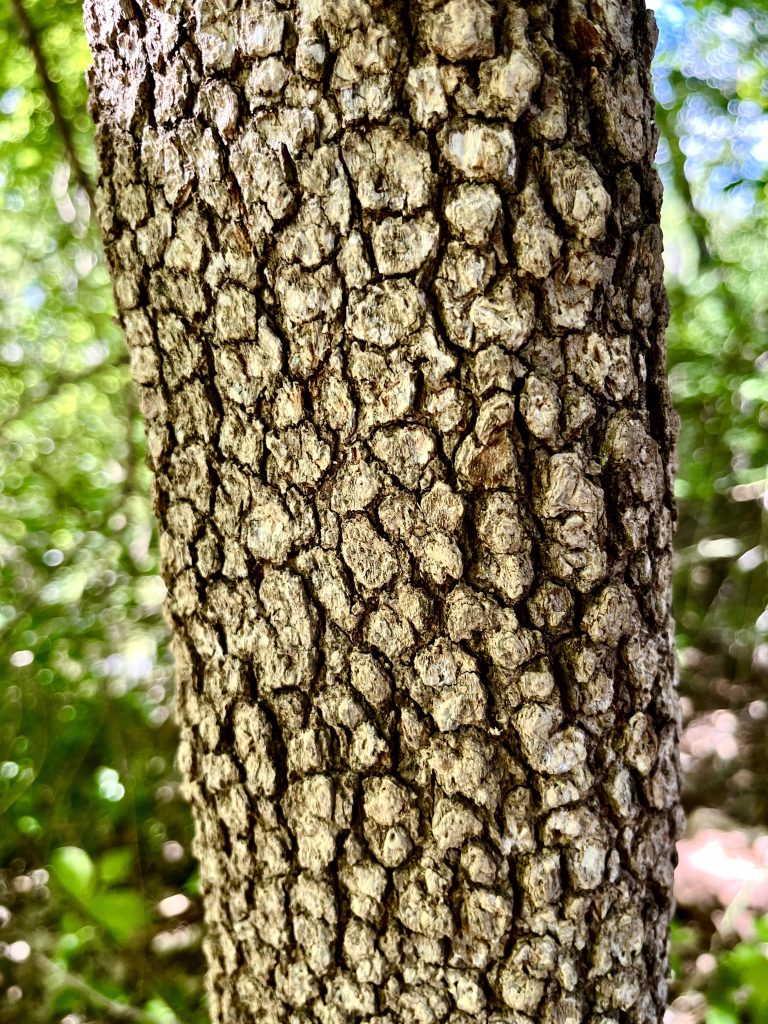
Check out the fabulous alligator bark of a mature rusty blackhaw viburnum.
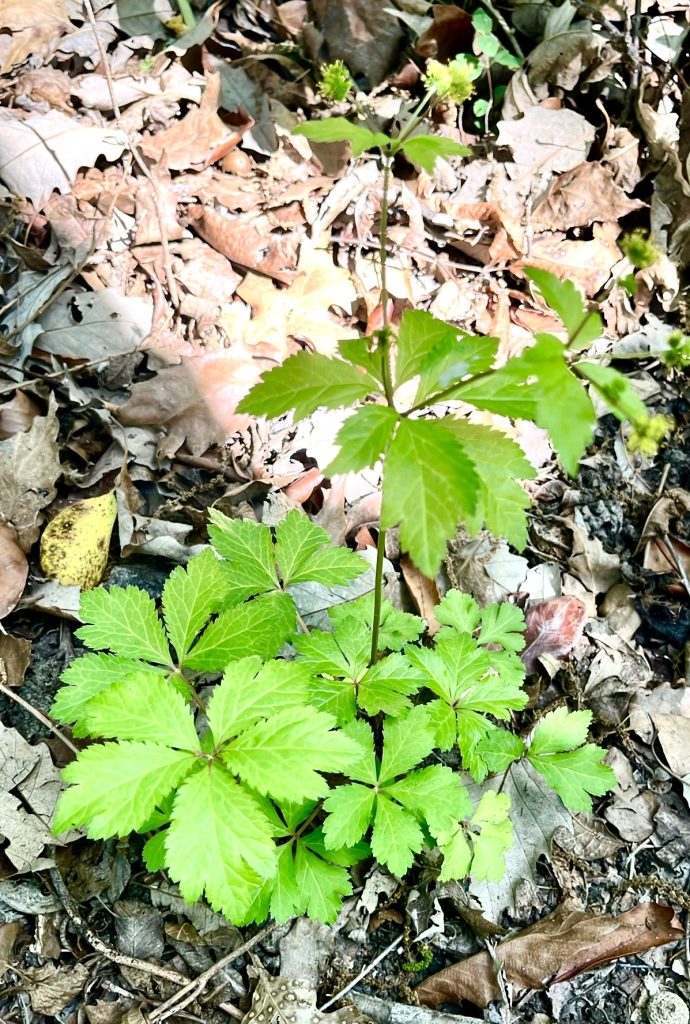
I harvested (with permission) black snakeroot seeds from a riparian preserve in Carrollton last year/ They got scattered in the Rusty Blackhaw Viburnum Grove. Voila! They like it here. Some have stalks with tiny yellow flowers.
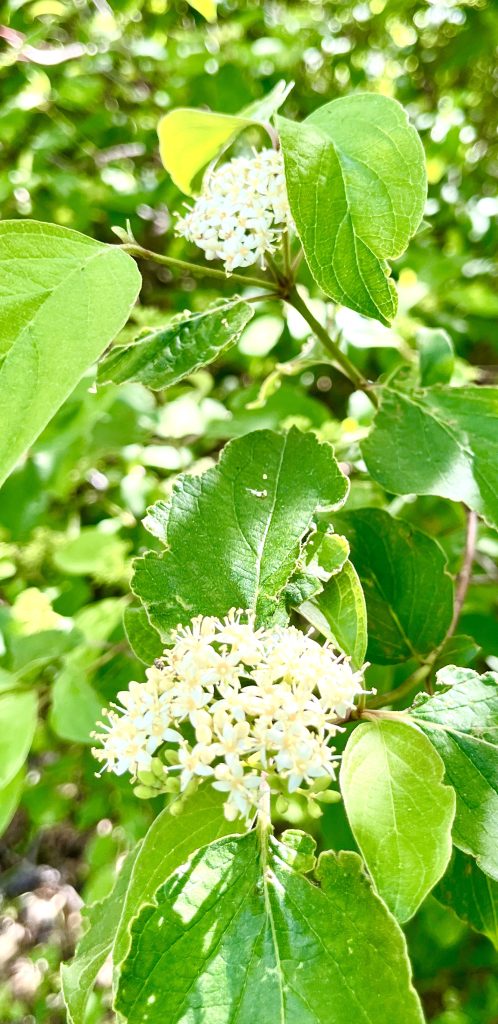
The Woods Trail curves and continues through the Hidden Meadow. Take a left into the Creekmere Meadow. Look to your right, and there is a small grove of roughleaf dogwoods duking it out with similar-looking bush honeysuckles. That invasive’s berries are not enjoyed by wildlife. Roughleaf dogwood berries, which turn white in late summer, are eaten by over 50 species of birds and are vital to fall migration.
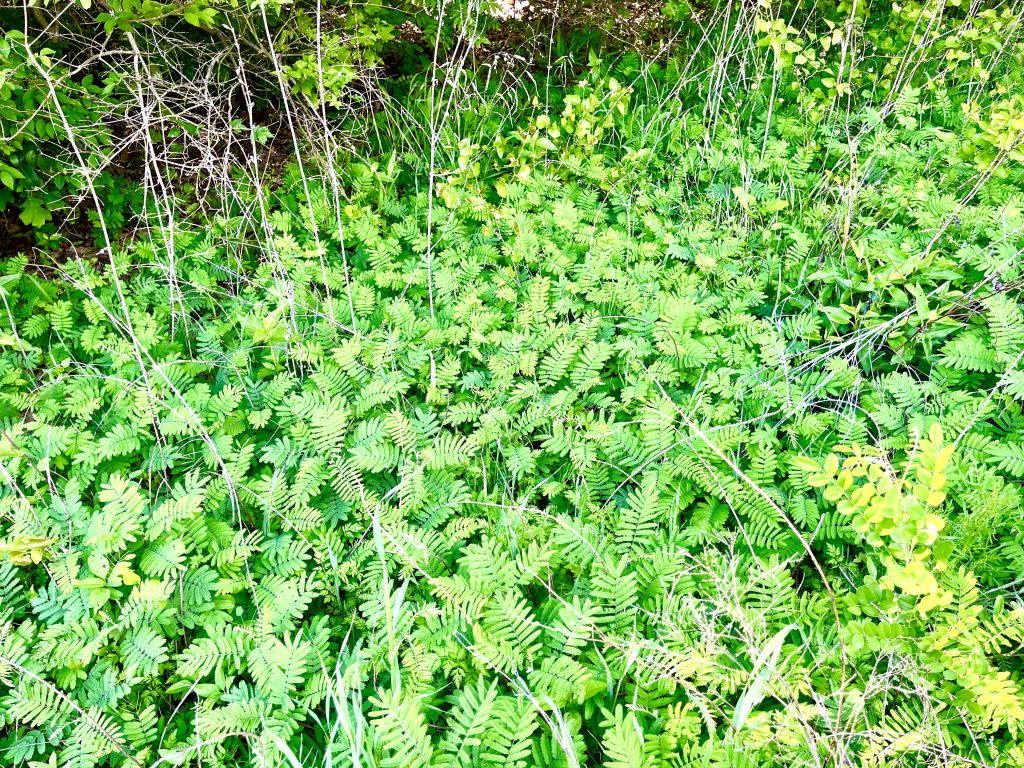
I tossed Illinois bundleflower onto the western Creekmere Meadow over the last couple of years. They got washed down slope and thrive along the woods edge. Their autumn bundles of teeny beans are relished by birds.
Want to be a part of this greatness? Email Amy and get on the newsletter list. Share this with your neighbors.